
Authenic Discipleship in Christ through Reflective ChristianitySeries Books.
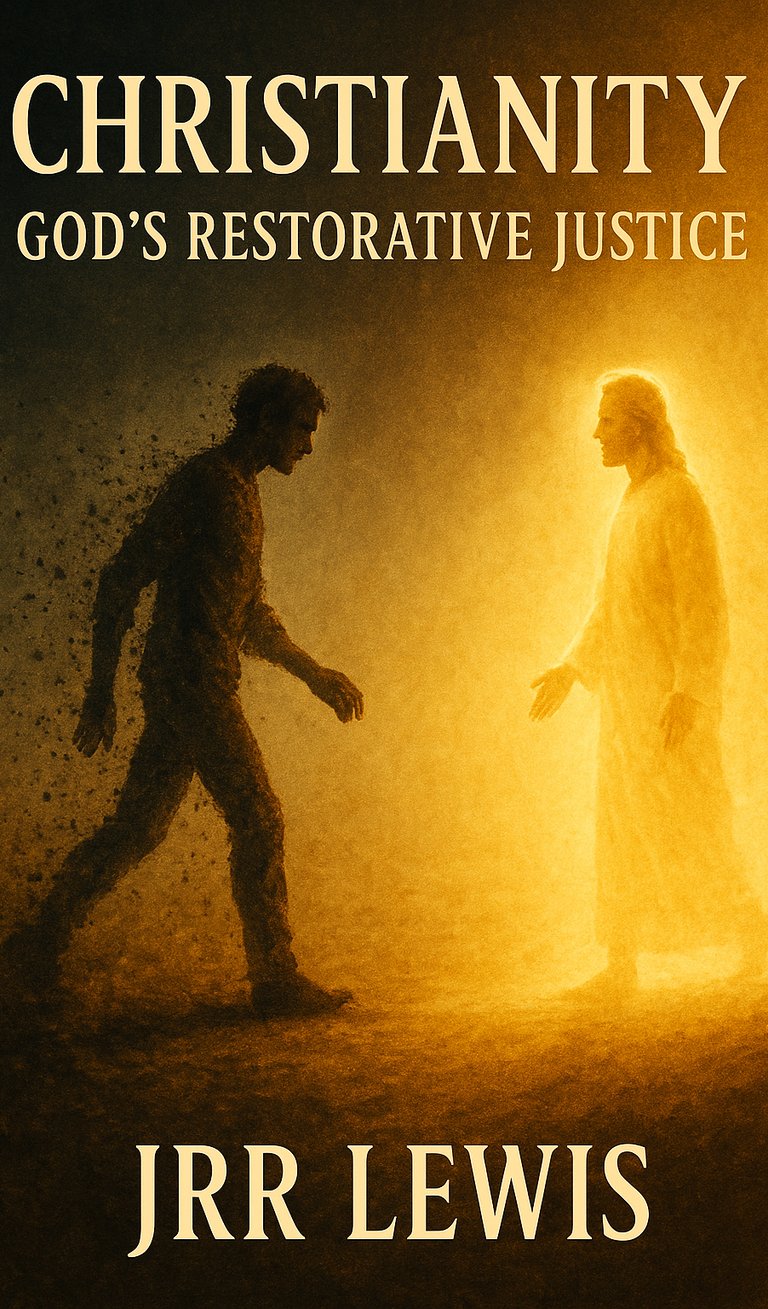
Christianity: God’s Restorative Justice
tells the sweeping story of Scripture—from the garden where everything was lost, to the cross where everything was offered back, to the final garden city where all things are made new. Written for the seeker who wants to understand the Bible as a unified whole—and for the Christian who wants to explain why faith in Jesus is not just personal but cosmic—this book presents the gospel as the story of restoration, not religion.
The journey begins in Eden, where man was planted in perfect fellowship with God. But with one act of disobedience, everything fractured. Sin entered. Death followed. Relationship was severed. God’s presence was no longer immediate, and mankind was exiled—not just from a place, but from a Person. Yet from that moment, God began a plan—not to abandon, but to redeem.
Through covenants, commandments, and sacrificial systems, the brokenness of sin was exposed. The blood of bulls and goats could never fully restore what was lost, but they pointed forward to One who could. Jesus Christ—God’s own Son—entered the story not as a footnote, but as its turning point. His life fulfilled the law. His death bore our guilt. His resurrection shattered the final enemy: death.
This book walks chapter by chapter through that redemptive arc, unveiling how the gospel is embedded in every part of Scripture. It explains why other religious systems—even those with beauty and discipline—fall short of true restoration, including major world religions and influential American alternatives. Only Christ restores the relationship. Only Christ opens the door.
Along the way, readers will explore not just what salvation is, but why it matters today. What does it mean to live in two kingdoms—the one we see, and the one that is coming? How do we embrace our role as image-bearers, family members, and citizens of heaven while walking through a broken world?
Christianity: God’s Restorative Justice is both a sweeping narrative and a personal invitation. For the one who longs to understand the Bible as a coherent whole—and for the one wondering if the story could be true—it offers a clear answer: Yes. And you’re invited.
The door is still open.