
Authenic Discipleship in Christ through Reflective ChristianitySeries Books.
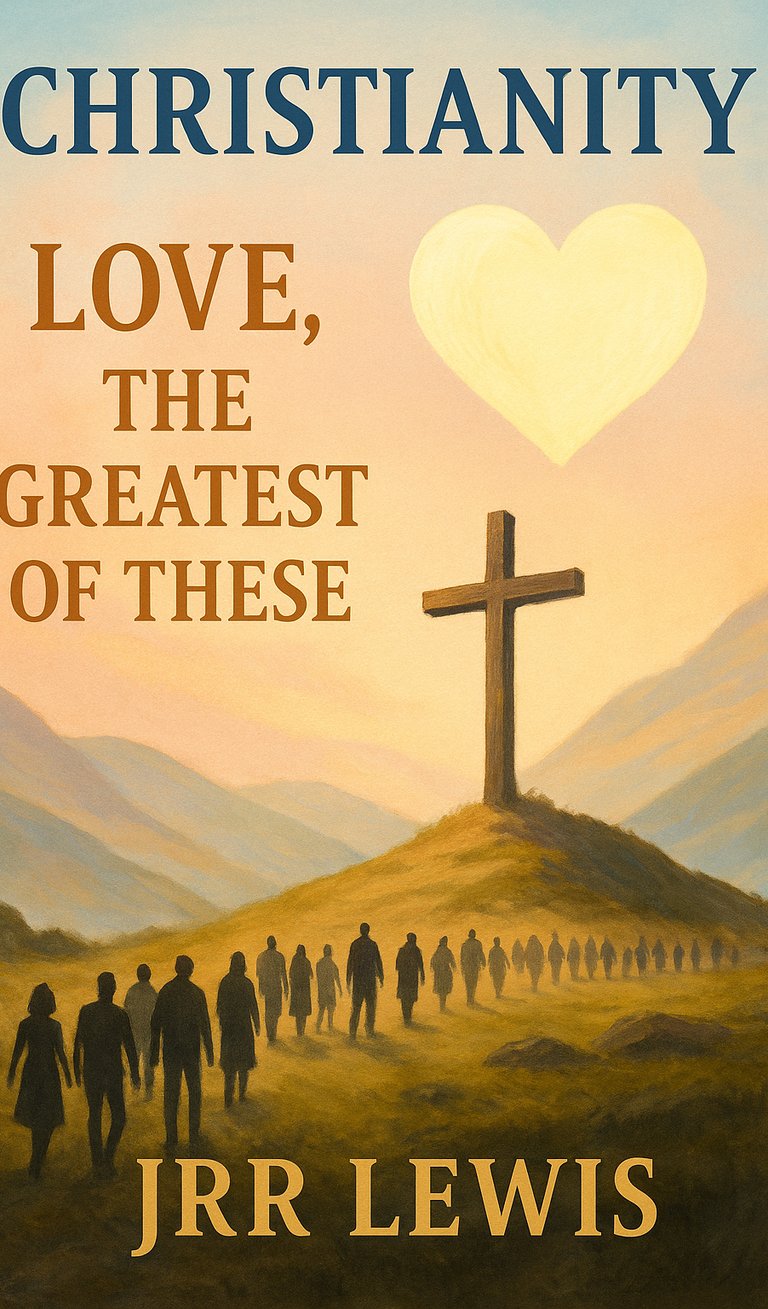
Christianity: Love, The Greatest of These
is another book in the series that examines the core truths of the Christian faith. This volume focuses on love—not the world’s version of it, but the kind that originates from God and transforms the heart. Scripture tells us that “God is love,” and without Him, we cannot fully love others. Yet many believers struggle with what love really is, how it behaves, and why it often feels absent when we need it most. This book addresses those questions directly, tracing love’s divine origin, its various biblical forms, and its place in the life of every true follower of Christ.
The book explores the four biblical kinds of love—agape (unconditional), philia (brotherly), storge (familial), and eros (marital)—and shows how each is intended by God to reflect His own nature. It goes on to discuss how we are called to love God with all our heart, soul, mind, and strength—a command that can feel overwhelming without understanding what the “heart” truly means in Scripture. With practical clarity, the book explores loving our neighbor, even when that neighbor is difficult, unfamiliar, or even opposed to our beliefs. It addresses how love grows in those who feel emotionally unequipped, and how suffering, pride, humility, and purpose all intersect with love in the Christian life.
Rather than presenting love as an emotion alone, the book portrays it as a commitment, a command, and a reflection of God’s presence in us. Love is shown to be the evidence of our transformation—the mark of maturity, the fruit of the Spirit, and the clearest testimony to the watching world. Along the way, readers are encouraged to examine how love guides their relationships, their calling, and even their response to disagreement and hardship.
This is not a sentimental book. It is a scriptural one. And yet it remains warm, reflective, and full of hope. Designed for personal reading or group study, Christianity: Love, The Greatest of These challenges believers to love more deeply—not by their own strength, but by the power of God who first loved us. From beginning to end, it is a call to return to the center of the gospel—where faith expresses itself through love, and where love remains, even when all else fades away.